What to Say When Someone Dies (Simple & Caring Words)
Losing someone close can be overwhelming, and finding the right words to comfort a grieving person can feel even harder. The way people express condolences often varies based on culture, religion, or language.
This guide will help you understand what to say when someone dies, including phrases for different cultures and faiths.
Why Words Matter in Times of Loss
When someone is grieving, words can provide comfort and connection. They show the person that they’re not alone and that others care about their loss.
However, it’s essential to be mindful of what to say when someone dies of cultural or religious sensitivities, when offering condolences.
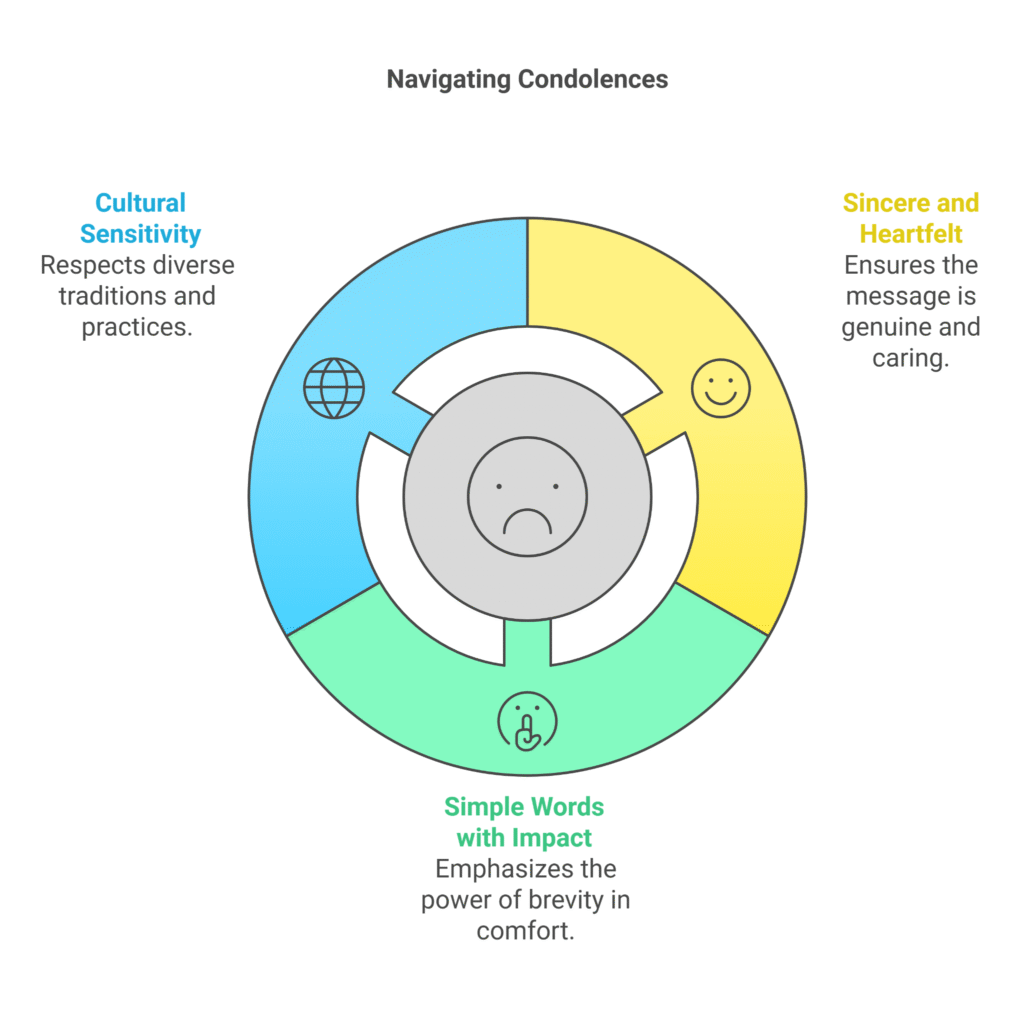
Things to Keep in Mind:
- Keep your message sincere and heartfelt.
- Avoid overthinking; a few simple words can go a long way.
- Be culturally sensitive, especially if the grieving person’s traditions are different from your own.
Your words can bring solace during a tough time.
Simple Phrases to Say When Someone Dies
Not sure what to say? These simple phrases work in most situations.
- “I’m so sorry for your loss.”
- “My thoughts are with you and your family.”
- “I can’t imagine how hard this must be. Please know I’m here for you.”
- “You’re in my prayers during this difficult time.”
These messages show compassion and support without being intrusive.
What to Say When Someone Dies in Different Cultures and Religions
Grieving practices vary across cultures, so it’s important to know what’s appropriate to say when offering condolences.
What to Say When Someone Dies in Islam
In Islam, people often recite prayers for the deceased and their family. The common phrase is:
- “Inna Lillahi wa Inna Ilayhi Raji’un”
(“We belong to Allah, and to Him we shall return.”)
You can also say:
- “May Allah grant them Jannah (paradise).”
- “I’m praying for their soul and for your strength.”
What to Say When Someone Dies in Hinduism
Hindus view death as a transition to the next life. Expressing respect and empathy is important.
- “May their soul attain Moksha (liberation).”
- “I’m deeply sorry for your loss. Sending prayers and strength to your family.”
What to Say When Someone Dies in Spanish
If the grieving person speaks Spanish, using their language can feel more personal.
- “Lo siento mucho por tu pérdida.” (I’m very sorry for your loss.)
- “Mis oraciones están contigo y tu familia.” (My prayers are with you and your family.)
What to Say When Someone Dies in Bangla
In Bangladeshi culture, religion plays a key role. For Muslims, common phrases include:
- “Inna Lillahi wa Inna Ilayhi Raji’un.”
- “Allah apnar poribar ke shokh shokto koruk.” (May Allah give your family the strength to cope.)
For Hindus in Bangla:
- “Tader atma shanti labh koruk.” (May their soul find peace.)
What to Say When Someone Dies in Christianity
Christians often find comfort in references to heaven or God’s plan.
- “They’re in a better place now with God.”
- “May God comfort you and your family during this time.”
What to Say When Someone Dies in Other Cultures
- Buddhism: “May their journey to the next life be peaceful.”
- Judaism: “May their memory be a blessing.”
- Chinese Culture: “节哀顺变” (Jié’āi shùnbiàn – May you restrain your grief and accept the change.)
Understanding cultural nuances ensures your words are respectful and comforting.
Scenarios You May Encounter
Sometimes, the context of the loss influences what you should say.
When It’s a Sudden Loss
If the death was unexpected, offer shock and support.
- “I’m so sorry to hear this. I can’t imagine what you’re going through, but I’m here for you.”
When It’s a Close Friend or Family Member
Express your sorrow and offer help.
- “I’m heartbroken for your loss. Please let me know how I can support you during this time.”
When It’s Someone You Barely Know
Keep it brief but empathetic.
- “I’m sorry for your loss. My thoughts are with you and your family.”
At a Funeral or Memorial
Focus on honoring the deceased.
- “They were such a kind person. Their memory will live on in all of us.”
What Not to Say
Certain phrases can unintentionally hurt or minimize someone’s grief.
Avoid Saying:
- “I know how you feel.” (Grief is personal, and everyone experiences it differently.)
- “They’re in a better place.” (It may not align with their beliefs.)
- “Everything happens for a reason.” (This can come across as dismissive.)
Instead, focus on empathy and support.
How to Support Beyond Words
Sometimes, your actions can mean more than your words.
Ways to Help:
- Bring meals or groceries.
- Offer to babysit or help with household tasks.
- Run errands, like picking up prescriptions or organizing memorial services.
- Simply sit with them and listen.
Small gestures can provide comfort during this difficult time. Also, check out our blog on the Roblox Job.
FAQs
How soon should I reach out after someone dies?
As soon as you hear the news, send a message or call to express your condolences.
Is it okay to share memories of the deceased?
Yes, sharing happy memories can bring comfort and keep their legacy alive.
What if I don’t know the grieving person well?
A simple, heartfelt message like “I’m sorry for your loss” is always appropriate.
How can I support someone long-term?
Check in regularly, offer practical help, and be there to listen even weeks or months later.
End Note
Knowing what to say when someone dies is about empathy and understanding. It can help the impacted group a lot.
Whether you’re offering words in Islam, Spanish, Bangla, or another culture, let your kindness guide you. Your support, no matter how small, it can make a significant difference.
Content Note:
This article is intended to provide general guidance on offering condolences with empathy and respect. Cultural and religious practices may vary, so always consider the beliefs and preferences of the grieving person when choosing your words.