Talking about your weaknesses during a residency interview can feel challenging. Many candidates worry about saying the wrong thing and ruining their chances. However, knowing what to say when asked about weaknesses in interview residency can turn this tricky question into a chance to impress.
By being honest, thoughtful, and prepared, you can show self-awareness, growth, and readiness for the program. It’s not about being perfect; it’s about showing you can learn and adapt. This guide will help you craft strong, confident residency interview sample answers that leave a positive impression.
Why Do Interviewers Ask About Weaknesses?
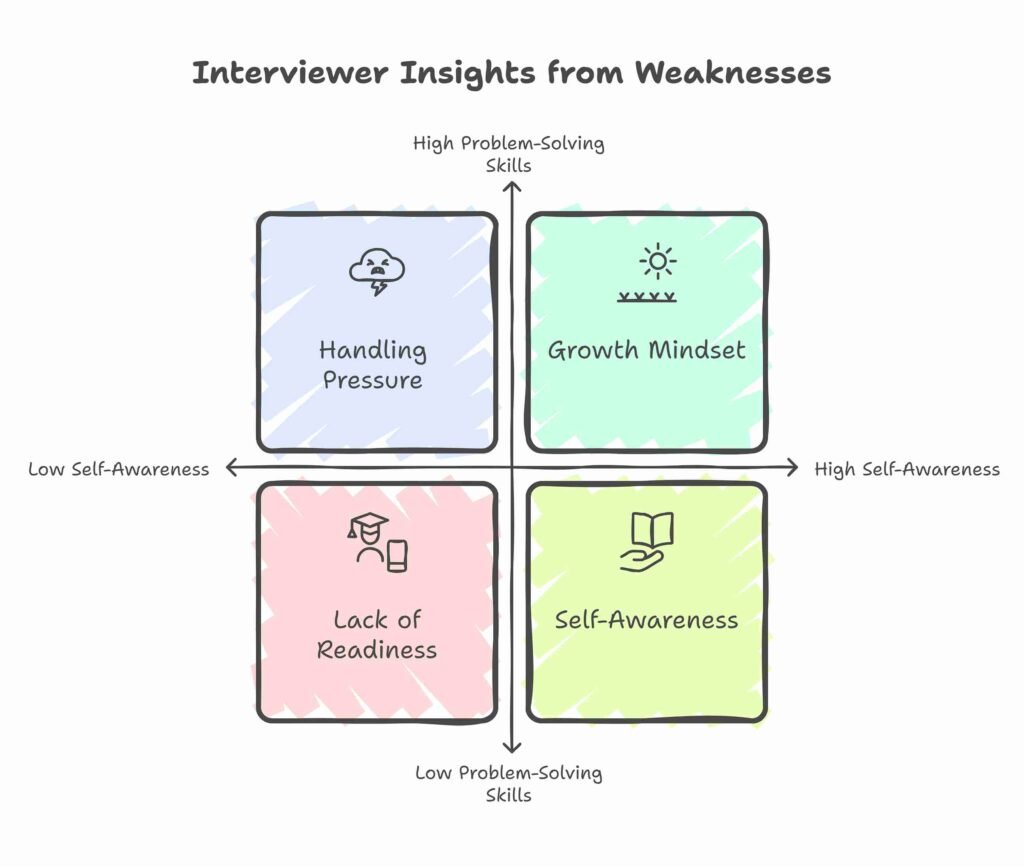
Interviewers often ask about weaknesses in residency interviews. This question may feel tricky, but it serves an important purpose. Here’s why they ask this:
They Want to See Your Self-Awareness
Residency is tough. You need to know your limits and recognize your flaws. Interviewers want to know if you are aware of your weaknesses. Self-awareness shows that you are honest about yourself and willing to learn.
They Look for Honesty
Honesty is key in medicine. Patients and team members rely on you to admit mistakes. Avoiding this question or giving fake answers can hurt your chances. A real answer shows you value truth and integrity.
They Value a Growth Mindset
Interviewers want to see if you are willing to improve. A growth mindset means you accept your flaws and work to fix them. If you are improving, it shows you are ready to grow as a resident.
It Shows How You Handle Pressure
Residency programs are stressful. Weaknesses can lead to tough situations. Interviewers want to see how you manage these challenges. Showing how you tackle weaknesses proves you can handle pressure.
They Assess Your Problem-Solving Skills
When you share a weakness, they also want to hear how you solve it. For example, if time management is a weakness, they’ll want to know what you do to improve. Sharing steps you’ve taken shows responsibility and effort.
It Reflects Your Readiness for Residency
Residency programs look for candidates who can grow and adapt. Talking about your weakness helps them decide if you are ready for the demands of the program. It also shows you can handle feedback and improve.
Also, check out this blog on what to say in interview for digital analyst in your free time.
What to Say When Asked About Weaknesses in Interview Residency
Talking about your weaknesses in a residency interview can feel hard. But with the right approach, you can turn weaknesses for residency interview into a positive moment. Here’s how to do it with examples on residency interview sample answers:
Be Honest but Careful
Choose a weakness that is real but not harmful to your role. Avoid saying things like “I have trouble staying organized” if the program values organization highly.
Example:
“I sometimes get nervous when speaking in front of large groups. To improve, I’ve joined a public speaking class and volunteered to lead small group discussions.”
Focus on What You Are Doing to Improve
The interviewer wants to see how you handle your weaknesses. Share what steps you’re taking to get better.
Example:
“My time management skills weren’t great during medical school. Now, I use a planner and set reminders. This has helped me stay on track with my tasks.”
Share a Growth-Oriented Weakness
Pick a weakness that shows you’re growing. This shows you’re willing to learn and adapt.
Example:
“I used to avoid asking for help because I wanted to do everything myself. Now, I understand teamwork is key. I’ve started asking my peers for advice and collaborating more.”
Use a Real-Life Scenario
Give a short story that shows your weakness and how you worked to improve it. This makes your answer relatable and genuine.
Example:
“During my first clinical rotations, I found it hard to delegate tasks. One time, I tried to manage a patient case alone and struggled. After feedback, I started trusting my team more. Now, I involve others when needed.”
Avoid Weaknesses That Could Hurt Your Chances
Don’t pick a weakness that makes you look unfit for residency. Stay away from things like poor communication or not working well under pressure.
Example:
Instead of saying, “I struggle to stay calm in emergencies,” say, “I used to feel overwhelmed in emergencies, but I’ve worked on staying focused by practicing simulations.”
End on a Positive Note
Finish your answer with confidence. Show the interviewer that you’re aware, improving, and ready for residency challenges.
Example:
“I know my weakness isn’t gone yet, but I’m proud of the progress I’ve made. I’m committed to becoming even better as I grow in this residency program.”
Talking about weaknesses can be tricky, but honesty and growth can impress your interviewers. Practice your answers to sound confident and genuine.
How to Identify Your Weaknesses
Identifying your weaknesses for a residency interview is important. You need to choose something honest but not harmful. Here are some tips to help you:
Ask for Feedback
Talk to peers, mentors, or supervisors. They can give you honest feedback about areas you can improve. Sometimes, others see things you may not notice.
Think About Past Challenges
Look at moments where you struggled in school or clinical work. Did you have trouble managing time, asking for help, or staying calm under pressure? These struggles may point to a residency interview weaknesses.
Use Self-Assessment Tools
Try tools like personality tests or self-reflection exercises. Write down tasks you find hard or situations that make you uncomfortable. This can help you spot patterns.
Choose Manageable Weaknesses
Pick a weakness that won’t make you look unfit for residency. For example, avoid saying you struggle with teamwork or handling stress. Instead, choose something that’s not critical to your role.
Frame It as a Growth Opportunity
Make sure your weakness shows room for improvement. For example, you might say you are working on public speaking or time management. This shows you are proactive and willing to grow. Also, it is good weaknesses for residency interview.
Best weakness examples for residency interviews
Good weaknesses for residency interviews include difficulty with public speaking, overcommitting to tasks, delegating responsibilities, or time management challenges. The key is to explain how you are actively improving these areas through practice, feedback, and better habits
FAQs
Interviewers want to see if you’re self-aware and honest. They also want to know how you handle challenges. Sharing a thoughtful answer shows you understand your flaws and are willing to improve.
Pick a real but manageable weakness. Explain how you’re working to improve it. Avoid saying anything that makes you look unfit for residency, like poor communication or lack of teamwork.
No, that’s not a good idea. Everyone has weaknesses. Saying you don’t have any makes you seem unprepared or dishonest. Focus on a small weakness you are actively improving.
Yes, but make sure it’s not critical to success. For example, time management or public speaking is okay. Avoid weaknesses like handling stress or patient care, which are essential skills.
End Note
Answering what to say when asked about weaknesses in interview residency requires honesty and preparation. Choose a real weakness that isn’t critical and explain how you’re improving.
Practice your response to sound confident. Avoid fake answers like “I’m a perfectionist.” Show that you’re ready to grow and handle challenges. If unsure, ask for feedback from mentors or friends.
Remember, it’s not about being flawless, it’s about showing progress and commitment. Be genuine, stay calm, and use this question to highlight your strengths.