
What Not to Say to Someone Who’s Dying + Helpful Words to Say Instead
Talking to someone who’s dying is never easy. You might feel unsure of what to say or how to act. It’s natural to fear saying the wrong thing or making them uncomfortable. Many people struggle with these conversations because they don’t want to upset their loved ones.
Difficulties knowing what not to say to someone who’s dying are common. However, the right approach can make a huge difference. This guide will help you navigate these emotional situations and show love and care in the best way possible.
Why These Conversations Feel So Difficult
Talking to someone who’s expiring is emotionally intense. You may not know how to handle their feelings or your own. Here’s why these conversations feel so hard for many people:
- Fear of Saying the Wrong Thing: You don’t want to hurt or offend them accidentally.
- Awkwardness About the Topic: Death is not something most people talk about often.
- Avoidance of Painful Emotions: Facing the reality of their condition might make you feel sad or scared.
- Uncertainty About What They Need: You might not know how to support them or what they expect from you.
- Discomfort With Silence: Some people feel the need to fill every silence, even when it’s unnecessary.
By understanding these challenges, you can approach these conversations more thoughtfully and confidently.
What Not to Say to Someone Who’s Dying
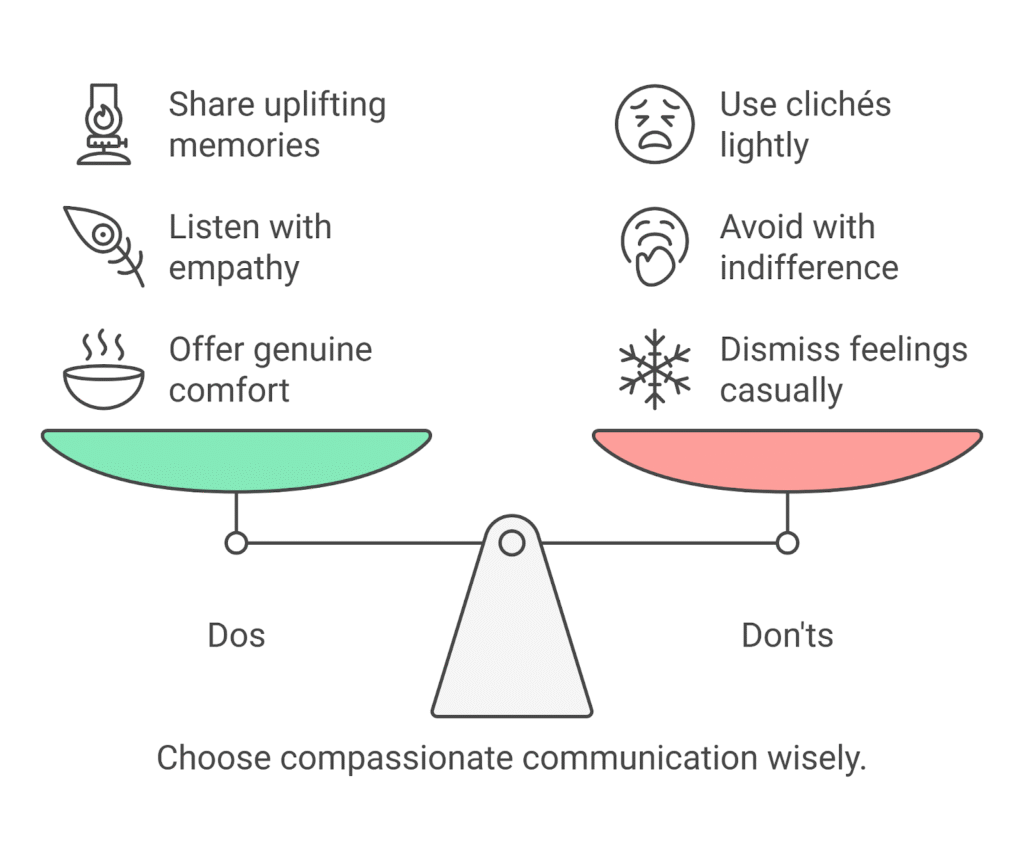
Certain phrases can unintentionally hurt or frustrate someone who’s expiring. Avoiding these common mistakes can make your conversations more meaningful and supportive.
“You’ll Be Fine”
It’s tempting to say this to comfort them, but it may feel dismissive. They likely know the reality of their situation and might feel like you’re ignoring their feelings.
“I Know How You Feel”
Even if you’ve experienced loss or grief, their experience is unique. Comparing their situation to your own can feel invalidating.
“Don’t Talk About That”
If they want to talk about their condition or fears, shutting them down can make them feel alone. Avoid silencing their emotions, even if it’s uncomfortable for you.
“Everything Happens for a Reason”
This phrase might feel like a way to explain things, but it can come across as insensitive or dismissive of their pain.
“At Least You Had a Good Life”
While you might mean well, this can feel dismissive of their current struggle. Focus on the present instead of summarizing their past.
What You Can Say Instead
If you’re facing difficulties knowing what not to say to someone who’s dying, focus on providing comfort and showing that you care.
Offer Support Through Your Words
- “I’m here for you, no matter what.”
- “You can talk to me about anything.”
Validate Their Feelings
- “It’s okay to feel this way.”
- “I can’t imagine how hard this must be for you.”
Share Positive Memories
- “I’ll never forget the time we…”
- “You’ve made such a difference in my life by…”
Ask Thoughtful Questions
- “How are you feeling today?”
- “Is there anything you’d like to talk about or do?”
These phrases focus on understanding and support, making them more comforting than common clichés.
Scenarios and How to Respond
Every situation is different, so it’s important to adapt your words based on their feelings and needs.
When They’re Angry or Frustrated
They might feel angry about their condition, and that’s okay. You can say:
- “It’s okay to feel upset. This is really hard.”
- “I’m here if you want to vent or share how you feel.”
When They Talk About Death
They might want to express their fears, hopes, or reflections about death. Instead of avoiding the topic, say:
- “Thank you for sharing that with me.”
- “I’m honored that you trust me with your thoughts.”
When They Want to Laugh or Share Joy
Humor and positive memories can be uplifting. Respond by saying:
- “I love hearing those stories.”
- “You’ve always had the best sense of humor.”
When You Don’t Know What to Say
It’s okay to admit when you’re unsure. Acknowledge it with kindness:
- “I don’t know the right words, but I’m here for you.”
Tips for Offering Support
Sometimes, actions can mean more than words. Being present and offering small gestures can provide comfort.
- Sit With Them in Silence: Silence doesn’t need to be awkward. Your presence alone can be comforting.
- Hold Their Hand: Physical touch, when welcomed, can provide a sense of connection.
- Help With Small Tasks: Offer to make tea, bring a blanket, or tidy up their space.
- Follow Their Lead: Let them decide what they want to talk about or do.
These gestures show your love and respect without needing many words.
Improve Everyday Responses Too
Supportive communication is not only important during difficult moments. The words we choose in everyday conversations also shape how thoughtful and respectful we sound. Even simple responses can carry warmth when they are chosen carefully.
For example, instead of always using casual phrases like “no worries,” there are many polite and considerate alternatives that can sound more reassuring, appreciative, or professional depending on the situation.
If you’d like to explore more thoughtful ways to respond in daily conversations, check out our guide on what to say instead of “no worries.” It shares simple alternatives that can make your replies feel more supportive, respectful, and natural in everyday communication.
Another Way to Show Care: Listening
Sometimes, just listening can be the best gift you can give. Here’s how to practice active listening:
Show You’re Engaged
- Maintain eye contact.
- Nod to show you’re following along.
Avoid Interrupting
- Let them finish their thoughts.
- Don’t rush to offer solutions.
Reflect Their Feelings
- “It sounds like you’re feeling…”
- “I can see why that would make you feel…”
Active listening shows that you value their thoughts and emotions, making them feel heard and understood.
FAQs
1. What’s the best way to talk to someone who’s dying?
Be kind, patient, and honest. Listen to their feelings and let them guide the conversation.
2. Should I avoid talking about death altogether?
No, but let them bring it up first. Follow their lead and be supportive.
3. Can I cry during these conversations?
Yes, it’s okay to show emotion. Just don’t let your feelings overwhelm the discussion.
4. How can I avoid saying the wrong thing?
Focus on their feelings and needs. Avoid clichés or dismissive comments.
End Note
It’s never easy to talk to someone who’s expiring, but your love and support mean everything to them. By listening, being present, and choosing what not to say to someone who’s dying with care, you can create moments of connection and comfort.