
Writing a graduation thank-you card can feel overwhelming, especially when you’re unsure of what to say. You might struggle with expressing your gratitude in the right way or worry about sounding too formal or too casual.
It’s common to feel stuck on how to convey your thanks to teachers, friends, family, and mentors who helped you along your journey.
If you don’t know what to say in a graduation thank you card, I can help. Here, I’ve come up with a simple guide that will help you find the perfect words to show your appreciation.
What to Say in a Graduation Thank You Card: Quick Answer
A graduation thank-you card should include a greeting, a clear thank you, a specific reason, and a warm closing. Keep it short, personal, and sincere.
Example: “Thank you for your support and encouragement during my studies. It truly meant a lot to me.”
Why Writing a Thank You Card Matters
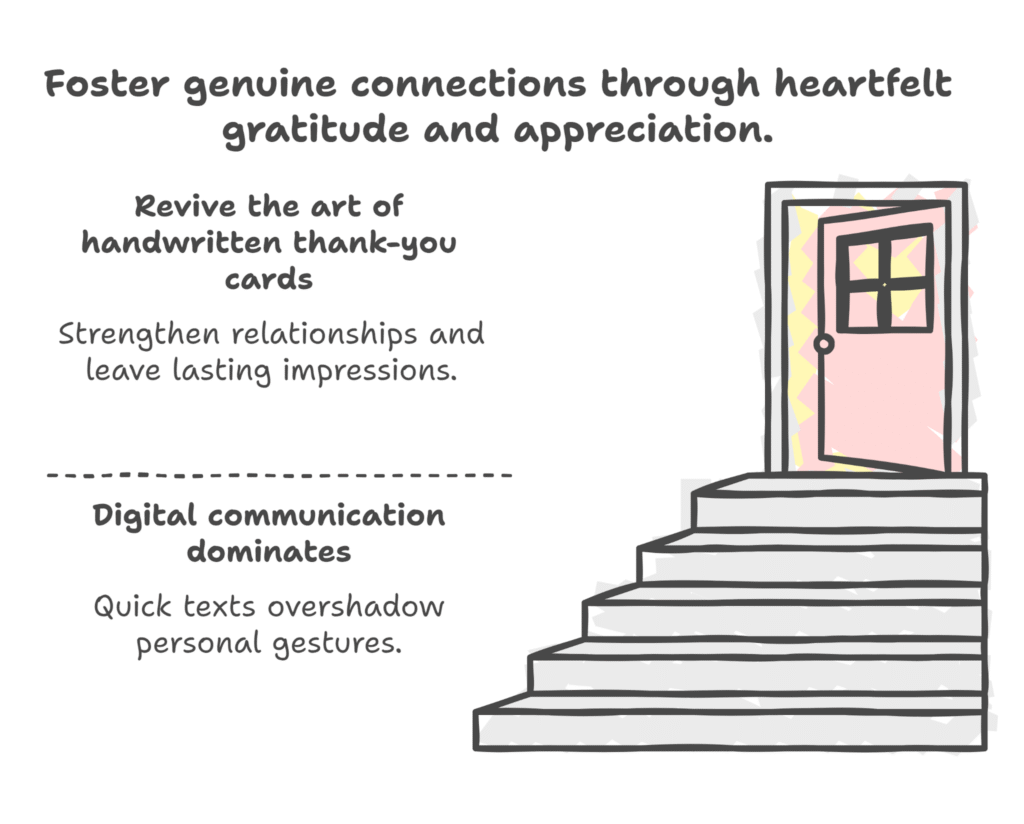
In an age dominated by quick texts and automated emails, a handwritten thank-you card holds a special place. It’s more than just a polite gesture; it’s a meaningful way to show gratitude and make a lasting impression. Writing a thank-you card may seem old-fashioned, but its value is timeless.
Whether it’s for a thoughtful gift, a kind gesture, or an opportunity you’ve received, taking the time to write a card can strengthen bonds and create positive experiences for both the sender and the recipient.
Shows Genuine Appreciation
A thank-you card communicates heartfelt gratitude in a way that digital messages cannot. The time and effort it takes to write and send a card demonstrate that you truly value the person and their actions. This sincerity is often lost in quick, impersonal emails or messages.
Strengthens Relationships
Expressing thanks in a personal way helps nurture relationships, whether personal or professional. In professional settings, it can enhance your reputation as someone who values others’ contributions. In personal relationships, it strengthens emotional connections, showing that you don’t take the other person’s kindness for granted.
Makes the Recipient Feel Valued
Receiving a thank-you card can brighten someone’s day. It makes them feel acknowledged and appreciated, which boosts their morale and positivity. This simple gesture conveys that their efforts or kindness did not go unnoticed.
Leaves a Lasting Impression
Unlike a text or email that might be forgotten or deleted, a thank-you card is tangible and often kept as a memento. It stands out in a world of fleeting digital communication and leaves a warm, memorable impression on the recipient.
Cultivates Gratitude in the Sender
The act of writing a thank-you card requires reflection on what you’re thankful for. This process encourages you to focus on positive experiences and the kindness of others, fostering a sense of gratitude that can improve your outlook on life.
Promotes Professional Success
In the workplace, a thank-you card can set you apart. Sending one after a job interview, for example, shows professionalism and can reinforce your interest in the position. Similarly, thanking a colleague or client strengthens your professional network and fosters goodwill.
What Makes a Thank You Card Special?
A thank-you card is more than just words on paper. It is a heartfelt way to show someone that you care and appreciate them. In today’s digital world, where messages are quick and often forgotten, a thank-you card feels personal and thoughtful. It makes the recipient feel valued and creates a lasting connection.
Here’s what makes a thank-you card truly special:
- Personal Touch: A card shows effort. You took the time to write it by hand and choose the words. This makes it more meaningful than a text or email.
- Emotional Value: The words in a card can make someone smile or feel appreciated. It leaves a warm and positive impression.
- Tangible Reminder: A card can be kept and cherished for years. It’s not easily deleted or forgotten like digital messages.
- Strengthens Bonds: Giving a card shows gratitude, which makes relationships stronger, whether with friends, family, or coworkers.
- Unique in Today’s World: Fewer people send handwritten cards now. This makes your thank-you card stand out even more.
A thank-you card is a simple gesture, but it has a big impact. It makes both the sender and the recipient feel good and connected. Don’t forget to read about Spring Vegetable Pairings if you are interested. They give very useful data on home gardening and much more.
What to Say in a Graduation Thank You Card
Graduation is a big achievement. It’s a time to celebrate all the hard work you’ve put in. Many people, like family, friends, and teachers, helped you along the way. A thank-you card is a great way to show them how much you appreciate their support.
But what should you say on your card? These are some examples that help you find the right words:
Thank Your Family
Your family is likely your biggest supporter. They’ve been with you through your highs and lows. Whether they helped with your studies, encouraged you during tough times, or celebrated your victories, they deserve a big thank you. Here’s an example:
“Dear Mom and Dad,
Thank you for always believing in me. Your love and support made this achievement possible. I couldn’t have done it without you. Also, I am so grateful for everything you have done to help me get to this point. I love you!”
Thank Your Friends
Friends make the journey fun and memorable. They stand by you, make you laugh, and help you stay motivated. Here’s an example of what you can write to thank your friends:
“Dear [Friend’s Name],
Thank you for being there for me throughout my studies. You made the hard times easier, and the good times even better. I am lucky to have a friend like you. Let’s celebrate our achievements together!”
Thank Your Teachers
Teachers play an important role in your success. They guide you, share knowledge, and inspire you to reach your potential. Here’s an example of what to write to a teacher:
“Dear [Teacher’s Name],
Thank you for your support and guidance throughout my education. You made learning exciting and challenged me to do my best. I appreciate all the help you gave me. I will always remember your kindness and encouragement.”
Thank Your Mentors
Mentors offer advice and wisdom. They help you grow, not only in your studies but in life as well. If you have had a mentor, this is a great time to thank them:
“Dear [Mentor’s Name],
I want to thank you for all your advice and support. Your guidance has helped me grow into the person I am today. You believed in me even when I didn’t believe in myself. I am grateful for everything you’ve done.”
Thank Your Classmates
Classmates share the same journey with you. They are the ones you study with, attend classes with, and experience the highs and lows of school life. Here’s an example:
“Dear [Classmate’s Name],
Thank you for being a great classmate and study partner. I have enjoyed our time together, and I will miss our talks and laughs. I am glad we got to share this journey. Wishing you the best for your future!”
Express Your Gratitude for the Opportunity
Graduating is a result of the chance to learn and grow. Whether you received scholarships, financial support, or had access to great schools, take a moment to be thankful for the opportunities you’ve had. Here’s an example of what to say:
“Dear [Name],
I am so thankful for the opportunity to attend this school and receive an education. And, I appreciate everything you’ve done to make this possible. I will never forget your kindness and support.”
Thank Your School or Institution
If your school or university provided you with great resources, classes, or experiences, it’s worth thanking them too. Here’s an example of what you can write:
“Dear [School/University Name],
Thank you for providing me with an excellent education and all the resources I needed to succeed. The experiences and knowledge I gained here will stay with me forever. I am grateful for everything you have done to help me grow.”
How to End Your Thank You Card
Ending a thank-you card is just as important as starting it. The closing should feel warm, sincere, and thoughtful. A great ending leaves the recipient with a positive feeling, reminding them of how much they mean to you. Here are some simple and effective ways to end your thank-you card:
“With Gratitude”
This is a simple, elegant way to show that your thanks come from the heart. It works well for both formal and informal messages.
“Many Thanks”
This is a friendly and warm closing, great for friends, family, or colleagues. It shows deep appreciation in just two words.
“Warm Regards”
If you want to end your thank-you card in a polite and respectful way, “Warm Regards” is a good option. It’s perfect for more formal situations.
“With Love”
This works best for close family and friends. It adds a personal, affectionate touch to your card, making it feel extra special.
“Best Wishes”
Use this for classmates or professional contacts. It’s polite and shows that you wish them well in the future.
No matter how you choose to end your thank-you card, make sure it matches the tone of your message. Always keep it warm and sincere.
End Note
Writing a graduation thank-you card is a meaningful way to show appreciation for those who supported you. Whether it’s family, friends, or teachers, expressing your gratitude with heartfelt words makes a lasting impact.
Remember, it’s not about perfection, but sincerity. A simple “thank you” can go a long way in strengthening your relationships. Also, read about What to Say After Surgery in your free time for more witty replies in such situations.
FAQs
Write a short message that includes thanks, a specific reason, and a personal touch.
Yes, handwritten cards feel more personal and meaningful than digital messages.
Send them within 2-3 weeks after graduation or receiving gifts.