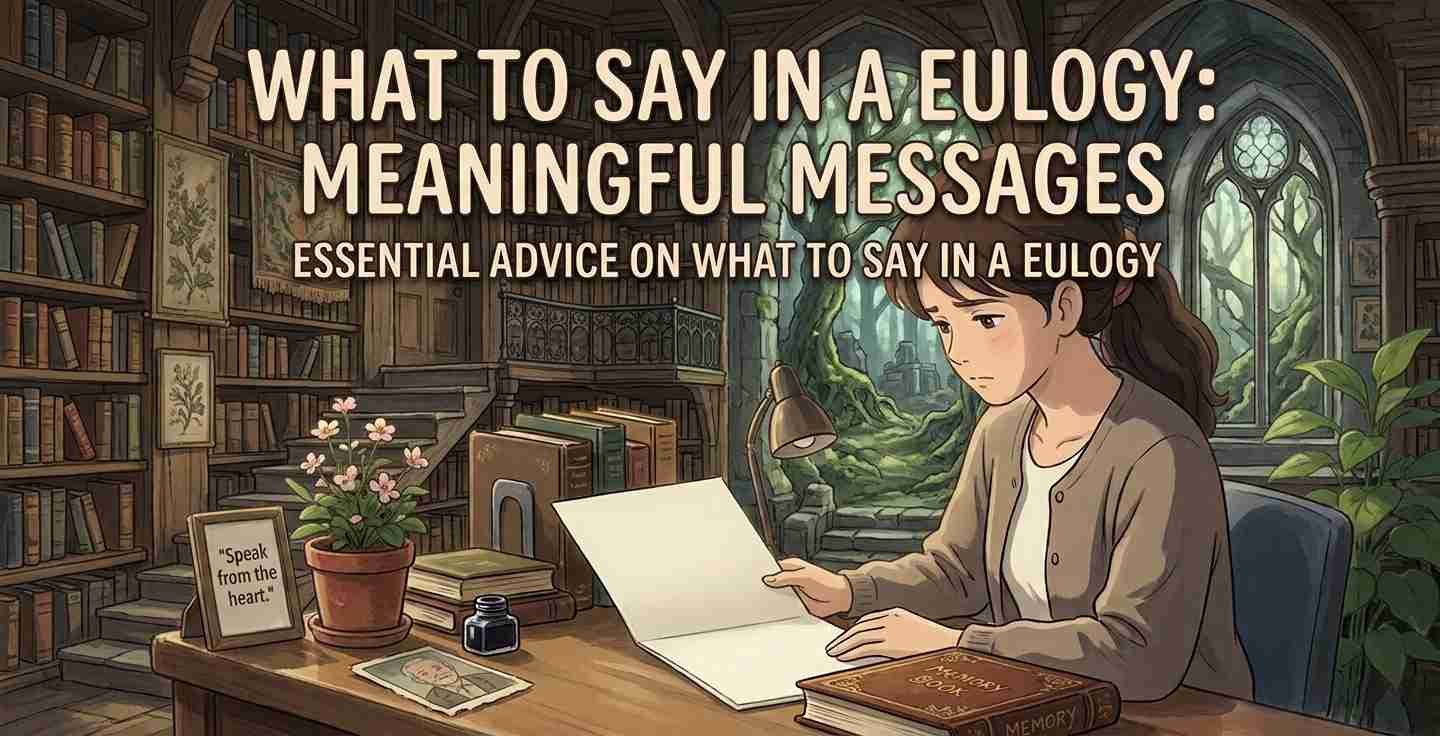
Have you ever been asked to deliver a eulogy and wondered what to say in a eulogy? It can be one of the most challenging yet meaningful tasks. A eulogy is a speech or tribute given at a funeral to honor someone who has passed away. It’s a way to celebrate their life and the impact they had on others.
The purpose of a eulogy goes beyond just words; it helps comfort the grieving audience by reminding them of the good memories and qualities of the deceased. It serves as a moment to reflect on their legacy.
When writing or delivering a eulogy, the most important thing is to speak from the heart. Keep it personal by sharing stories or memories that reflect the person’s true character. This will make the eulogy not only genuine but also comforting to those who hear it.
Note: This post contains affiliate links. If you buy through them, I may earn a small commission at no extra cost to you. I only recommend products I truly trust
Major Elements to Include in a Eulogy
A eulogy is a speech given at a funeral to honor and remember someone who has passed away. It is a way to celebrate their life and share meaningful moments. When writing a eulogy, you want to focus on the person’s life, their personality, and the impact they had on others.
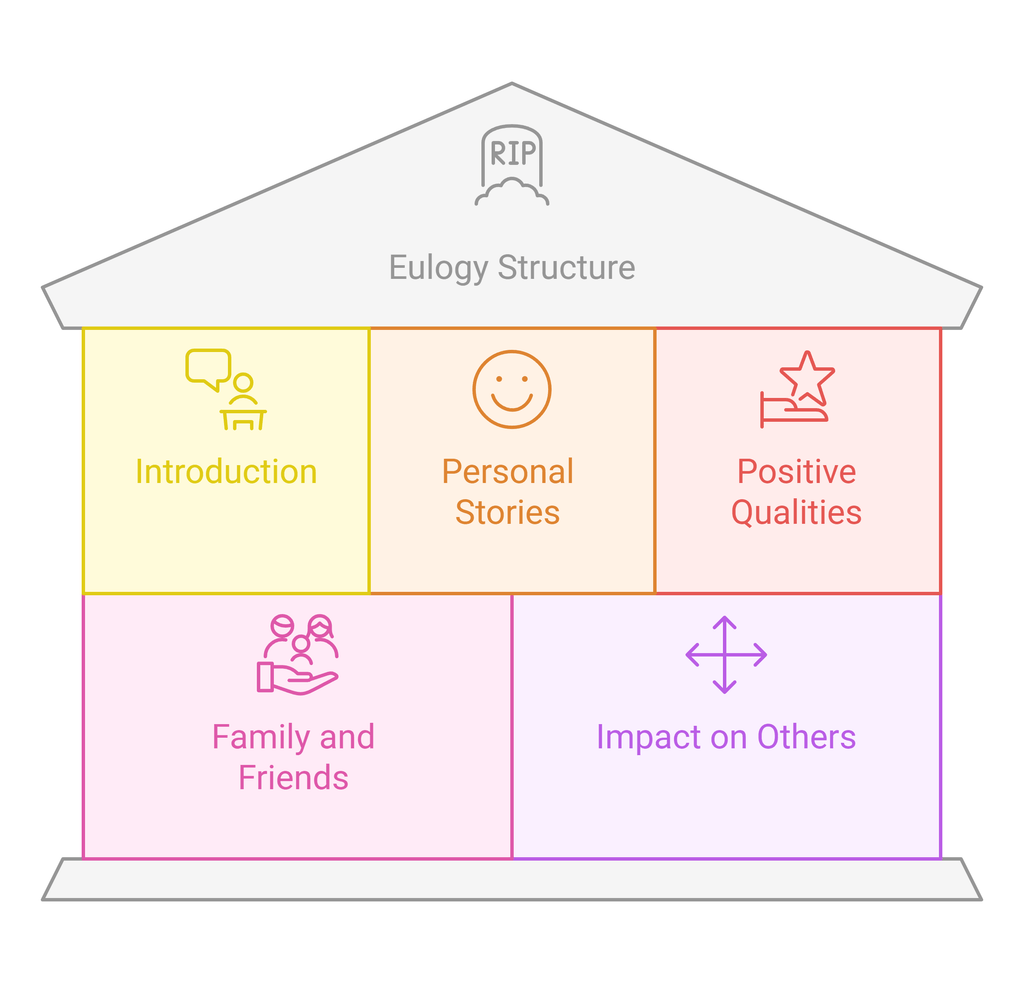
Here are the key elements you should include in a eulogy:
- Introduction: Begin by introducing yourself and explaining your relationship with the person. This helps others connect with you and the person you are honoring.
- Personal Stories: Share stories that show the person’s character. Talk about happy memories or meaningful moments you shared.
- Positive Qualities: Describe the person’s best qualities. Mention their kindness, humor, or anything that made them special to you.
- Family and Friends: Talk about the person’s role in their family and with friends. Mention how they helped others and the relationships they built.
- Impact on Others: Share how this person made a difference in the lives of those around them. Focus on their contributions to the community, work, or their family.
- Closing Thoughts: End with a message of love or a quote that captures the person’s spirit. Thank everyone for coming together to honor the person’s memory.
Remember, a eulogy doesn’t need to be long. Keep it simple and speak from the heart.
What to Say in a Eulogy: Proper Methods
Giving a eulogy is an emotional and meaningful task. It is a chance to honor someone who has passed away. A good eulogy should be heartfelt and reflect the person’s life in a respectful way.
You don’t need to be a professional speaker, just speak from the heart. Here are some methods and examples to guide you in writing a eulogy.
Start with a Simple Introduction
Begin by introducing yourself. Tell the audience how you knew the person. This helps everyone understand your connection. You can say something like:
“I’m John, and I was Sarah’s best friend for over 20 years. She was like a sister to me. I want to share some memories of her today.”
Starting with a clear introduction helps set the tone for the eulogy. It also shows your connection to the person and makes the speech more personal.
Share Personal Stories
One of the best ways to honor someone is by sharing stories. Talk about moments that show the person’s personality. These stories should be positive and warm, reflecting the person’s life. For example:
“I remember the time Sarah helped me when my car broke down. She came to get me even though it was late at night. That’s just how she was, always caring and ready to help.”
Personal stories help the audience remember the person in a positive light. These stories don’t need to be perfect; they just need to come from the heart.
Highlight the Person’s Best Qualities
A eulogy is a chance to celebrate the person’s best qualities. Talk about the traits that made them special. Were they kind, funny, hardworking, or loving? For instance:
“Sarah was the kindest person I knew. She always had a smile on her face and was there to listen when you needed to talk. Her positive energy made everyone feel welcome.”
Sharing these qualities helps others understand the person better. It also shows how much they meant to those around them.
Mention the Impact They Had on Others
In a eulogy, it’s important to talk about how the person touched the lives of others. You can mention their work, family, or community contributions. For example:
“Sarah wasn’t just a good friend; she was a wonderful mother. Her children always knew they were loved and cared for. She made sure to attend every school event and always supported them in their dreams.”
By sharing how the person made a difference, you show their importance in the world. It helps others see how their legacy lives on.
Speak from the Heart
A eulogy doesn’t have to be perfect. The most important thing is to speak from the heart. If you feel emotional, that’s okay. It shows your deep connection to the person. Here’s an example:
“I’ll miss Sarah so much. Her laughter filled the room, and it’s hard to imagine life without her. But I take comfort in knowing she made a big difference in the lives of everyone who knew her.”
Speaking honestly about your emotions makes the eulogy more real and sincere. Don’t worry about being flawless, just be genuine.
End with a Meaningful Closing
Conclude your eulogy with a simple, heartfelt message. You can express your gratitude for the person’s life or offer words of comfort to the audience. For instance:
“Thank you, Sarah, for all the love and memories. You will always be in our hearts. Rest in peace.”
This type of closing wraps up the eulogy on a respectful and loving note. It’s a way to say goodbye and honor the person’s memory.
Giving a eulogy is a special way to show respect to someone who has passed away. Keep it simple, speak from the heart, and focus on the positive memories.
Struggling with how to resign professionally? Check out this helpful guide on what to say in a 2 week notice to learn effective templates, express gratitude, and ensure a smooth workplace transition.
Tips for Writing and Delivering a Eulogy
Writing and delivering a eulogy is a special and emotional task. It’s your chance to honor someone who has passed away and share their story with others. Here are some tips to help you write and deliver a eulogy that is meaningful and respectful.
Be Honest and Genuine
Speak from the heart. Don’t worry about making the eulogy perfect. Share your true feelings and memories. People will appreciate your honesty.
Keep It Simple
Don’t make the eulogy too long or complicated. Keep your sentences short and clear. Focus on the most important memories and qualities of the person. This will help everyone understand your message.
Include Personal Stories
Sharing a few personal stories makes the eulogy more memorable. These stories can show the person’s personality and how they touched your life. For example, share a funny or touching moment that you shared with them.
Practice Beforehand
Practice reading the eulogy out loud before the funeral. This will help you feel more confident when you speak. It also helps you find the right rhythm and pacing. You may even want to practice in front of a close friend or family member.
Stay Calm and Take Your Time
It’s okay to feel emotional. Take deep breaths if you get nervous or start to cry. Speak slowly and clearly. It’s better to take your time than to rush through the eulogy.
End with a Thank You
At the end, thank everyone for attending the service. You can also offer a short closing thought, such as a favorite quote or a memory of the person. This will bring your eulogy to a warm and thoughtful close.
By following these tips, you can deliver a eulogy that honors the person and brings comfort to those who are grieving.
Some useful cards and office tools that you can fetch now:


Things to Avoid in a Eulogy
A eulogy is a way to honor someone who has passed away. It’s important to speak with respect and care. There are some things you should avoid when writing or delivering a eulogy to make sure it’s appropriate and respectful.
- Don’t Overshare Personal or Negative Stories: Avoid sharing private or embarrassing details. Focus on positive memories and qualities. Negative stories can upset others.
- Don’t Use Humor That Might Be Inappropriate: Humor can help, but make sure it’s respectful. Avoid jokes that might hurt someone or seem out of place during such a sensitive time.
- Don’t Rush Through the Eulogy: Take your time when speaking. Rushing can make the speech feel less sincere. Pause for a moment if you need to gather your thoughts or calm your emotions.
- Don’t Talk About Yourself Too Much: The eulogy is about the person who passed away, not about you. Keep the focus on them and their life.
- Don’t Forget to Thank People: Make sure to thank the audience for being there. It shows appreciation and respect for their support.
By avoiding these things, your eulogy will be respectful and heartfelt. It will help everyone remember the person in a positive way.
FAQs: What to Say in a Eulogy
It’s helpful to write your eulogy down. This ensures you stay focused and organized, especially during an emotional time. You can practice reading it aloud before the funeral.
Yes, it’s completely okay to cry. Showing emotion can make your words feel more genuine and heartfelt. Take your time if you need a moment.
End with a heartfelt message or a quote that reflects the person’s spirit. You can also thank everyone for attending, showing appreciation for their support during the difficult time.
End Note
When thinking about what to say in a eulogy, focus on sharing heartfelt memories, highlighting positive qualities, and celebrating the person’s life. Speak from the heart and keep it simple. Personal stories and emotions will make your words memorable and meaningful.
While it’s okay to feel nervous or emotional, remember that your honesty and respect will resonate with others. A well-delivered eulogy helps honor the person’s legacy and provides comfort to those grieving their loss.
Note: Some pages may contain affiliate links or advertisements, and we may earn a commission from qualifying purchases at no additional cost to you.